Masters-level (LLM) intensives that mix students and working practitioners, plus an executive masterclass — taught from real transactions, not textbook theory. The classroom runs from Australia to Europe and the Asia-Pacific.
The assessment is built from real transaction experience — the closest thing to practice a university offers. Not a hypothetical.
We negotiate and challenge in class — half the room for the fund, half for the investor — until someone blinks. Learning by doing.
Live regulation, current deals and guest practitioners — so what you learn is what the market is actually doing now.
A deliberate diversity of views in every course — senior practitioners brought into the room straight from live deals, from Australia and overseas. Guests have included lawyers from Mallesons, MinterEllison, Norton Rose Fulbright, A&O Shearman and Ashurst, counsel from the World Bank, development-finance specialists from IFC, DEG, FMO and COFIDES, and investors from Australia's Future Fund and Scale Investors to GAWA Capital.
Melbourne Law School · 6–18 September 2026. Legal structures, instruments and regulatory frameworks in impact investing, blended finance and development finance.
Impact investing promises measurable good and a return. This course examines the legal machinery that is supposed to carry that promise — funds, blended finance, development-finance instruments — and asks, deal by deal, whether it actually delivers.
Day three, we build a fund. Half the room drafts for the GP, half for a development-finance investor — and we negotiate the drawstop and the impact-reporting covenant until someone blinks.
Get a reminder before enrolment — you'll join the Cut the Crap briefing, where dates are announced.
Two weeks, ten sessions — from what impact investing actually is, through funds, direct equity and bonds, to carbon, activism and enforcement. Each is built from real transactions and current regulation.
What separates impact investing from ESG, philanthropy and plain sustainable finance — intentionality, additionality, measurement — and how counsel turns an impact claim into diligence questions.
How DFIs and MDBs de-risk capital — concessional layers, the shift to guarantees, and where blended structures deliver or quietly fail.
Building an impact fund from the documents up: the LP–GP bargain, the DFI policy cascade, and the clause-and-control matrix that makes impact enforceable.
The full teardown of the sector's defining collapse — what the fund documents allowed, what governance missed, and what it means for how impact funds are papered.
Taking and holding a stake — board rights, portfolio-company governance, labour and human-rights leverage, and failure without fraud.
Impact at the earliest stage — term sheets, liquidation preferences, and whether mission survives successive rounds.
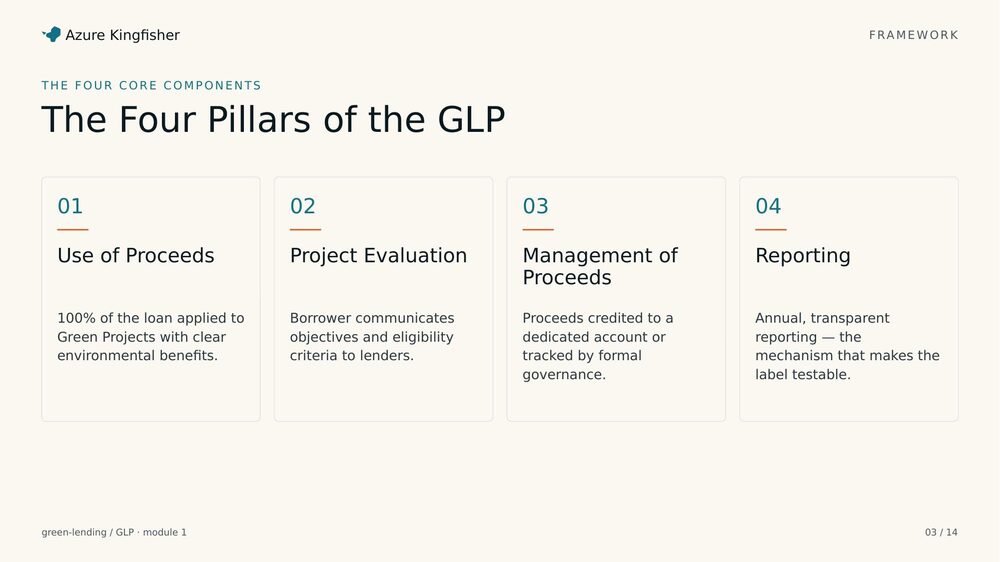
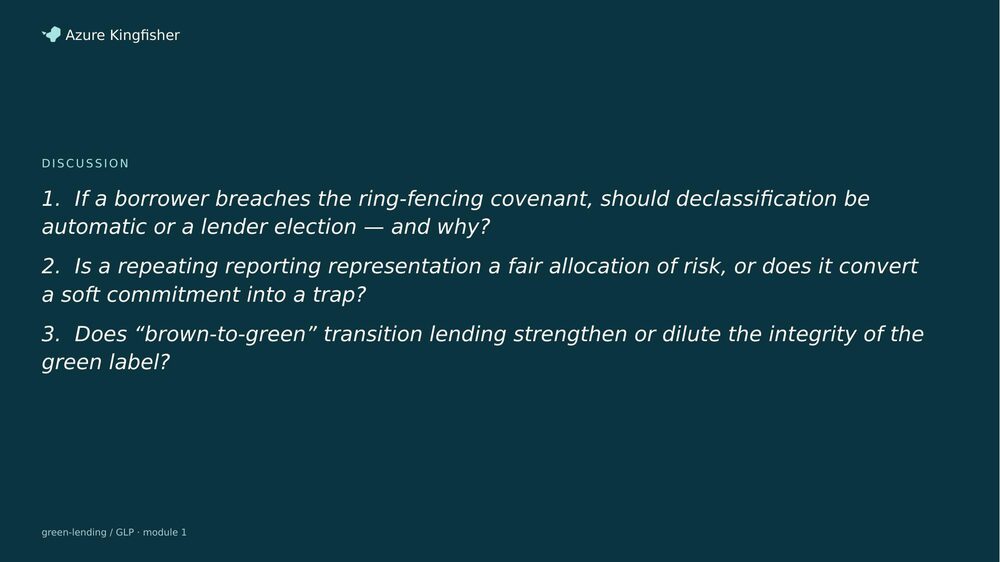
Use-of-proceeds instruments and their frameworks — ICMA principles, second-party opinions, and the enforcement gap when proceeds stray.
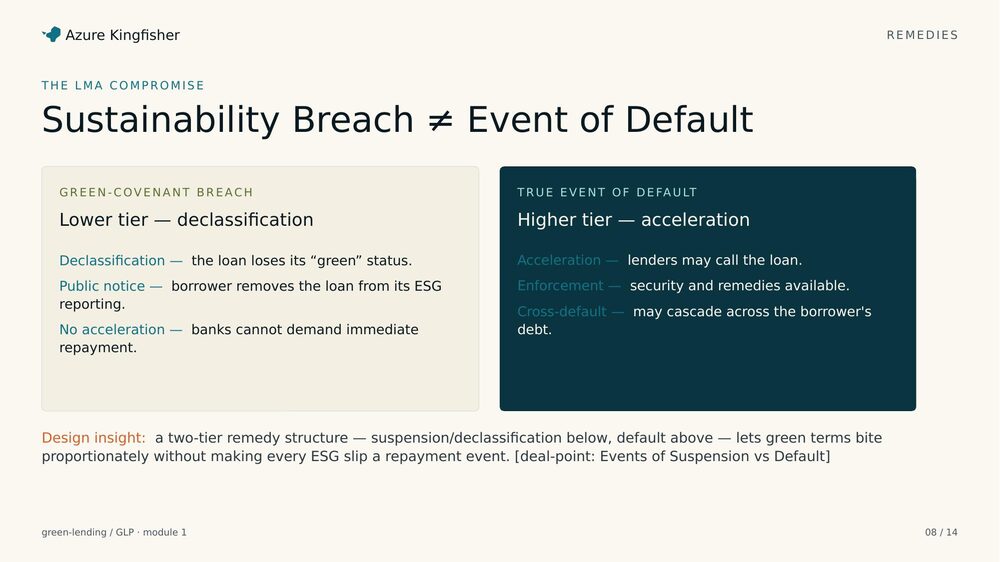
From use-of-proceeds to KPI-linked structures — the integrity of the step-up, the materiality of targets, and transition-finance credibility.
Carbon credits, biodiversity and natural-capital instruments — integrity standards, title and collateral questions, and the enforcement patterns emerging from fraud cases.
Where impact is tested in court — shareholder activism, directors' climate duties, greenwashing enforcement and the ASIC penalty cases.
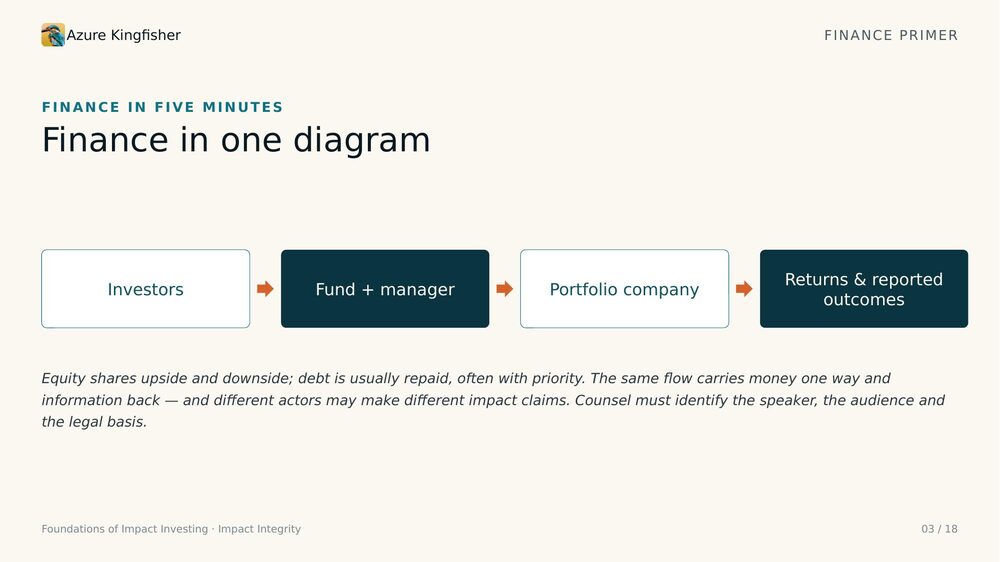
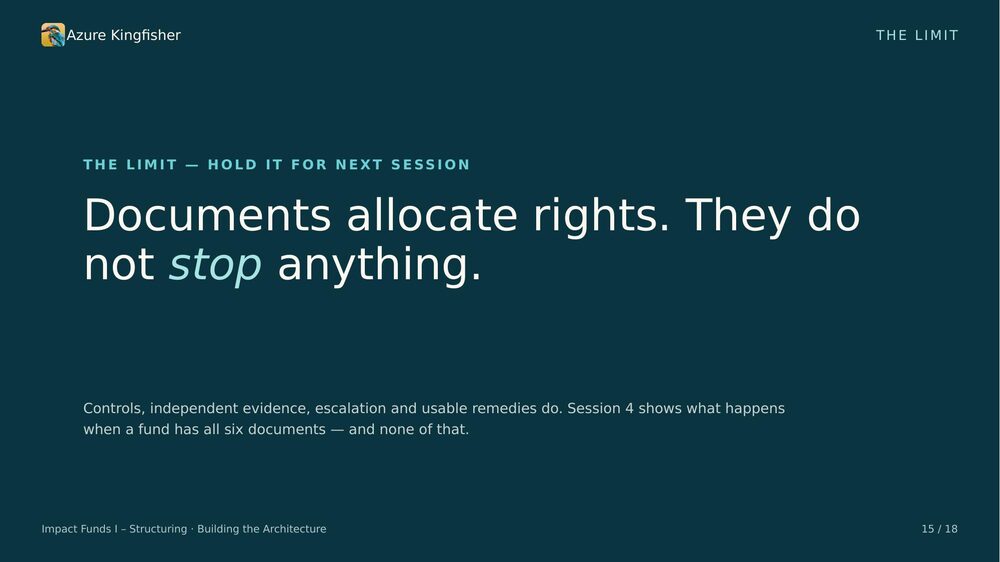
Once one of the largest private-equity firms in the emerging markets — around $14 billion under management, and a poster child for impact investing — Abraaj collapsed in 2018 after investors in its $1 billion healthcare fund, development-finance institutions among them, began asking where their capital had gone.
We reverse-engineer the failure: the fund structure, the drawdowns, the governance and the controls that should have caught it — and what it means for how impact funds are papered and policed. It's the case that turns “measurable impact” from a slogan into a set of hard legal questions.
A fictionalised specimen of a development-finance investor subscribing subordinated notes into a Luxembourg blended-finance debt fund — key terms and operative extracts. Built the way the real ones are, so you can see exactly what the course works with. No sign-up.
Melbourne Law School · 10–16 March 2027. Green, social and sustainability-linked instruments, ESG regulation and structured finance — and where the greenwashing gives way.
Green, social and sustainability-linked instruments now move trillions. This course reads the labels against the law — which standard actually binds, where the greenwashing gives way, and what a second-party opinion is really worth.
We take a live sustainability-linked bond to pieces — is the KPI genuinely ambitious, or theatre, and would the step-up ever actually be paid?
The 2027 handbook entry publishes in October 2026. Get a reminder via the briefing.
“The teaching style focused on active participation — it pushed us to apply, on a case study, what we'd read before each class. The guest lecturers gave a real perspective of how it works in practice.”
LLM student · Int'l Sustainable Finance, Sydney · 2026“Teaching skills of JJ, guest speakers for industry exposure, encouraged class participation. Complex topics felt both accessible and highly relevant to current global challenges.”
LLM student · Int'l Sustainable Finance, Sydney · 2026Sydney Law School · 19–20 & 22–23 March 2027. The University of Sydney unit International Finance Transactions: Law and Practice (LAWS6138) — how cross-border deals are actually papered.
How the deals are actually papered — lending, capital markets, derivatives and project finance, with sustainable finance woven throughout. You learn to read the documents the way the market reads them.
You act for the lender. The sponsor proposes X. What do you concede — and what do you never concede? The negotiation runs right through the unit.
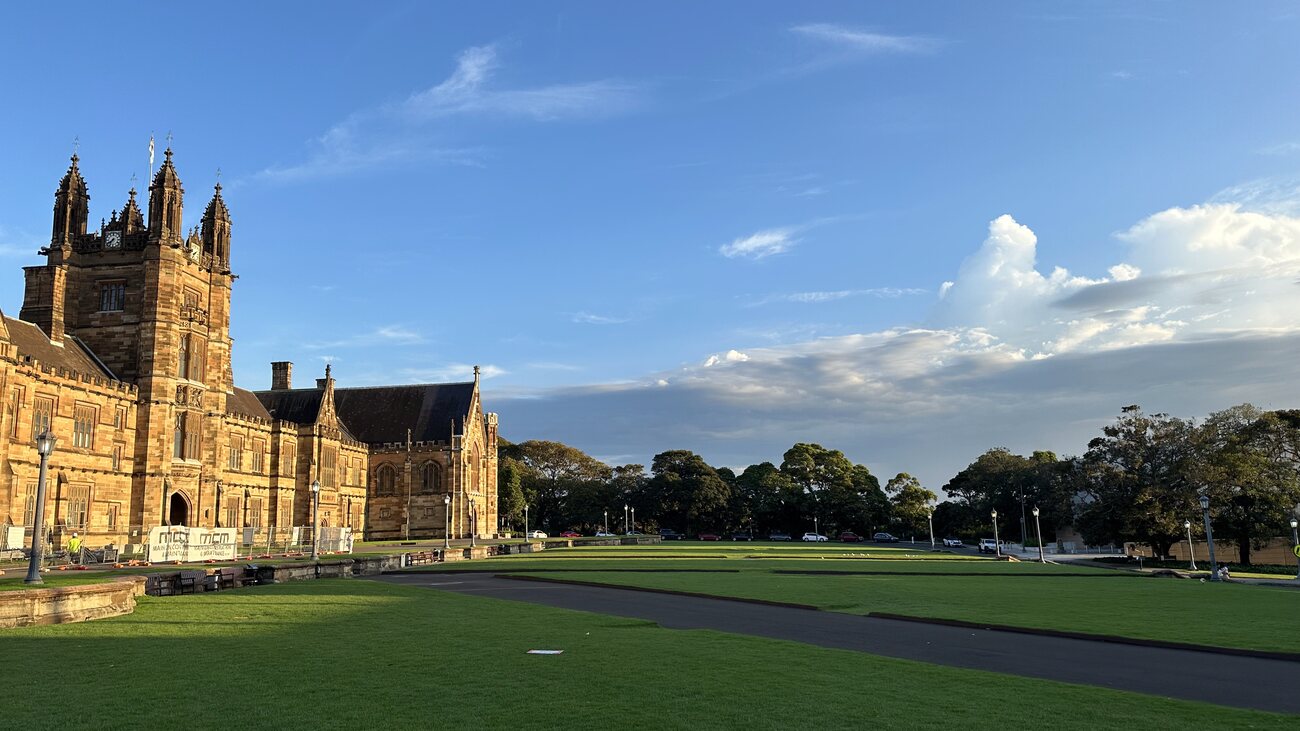
The live page shows the 2025 offering; 2027 dates as above. Get a reminder via the briefing.
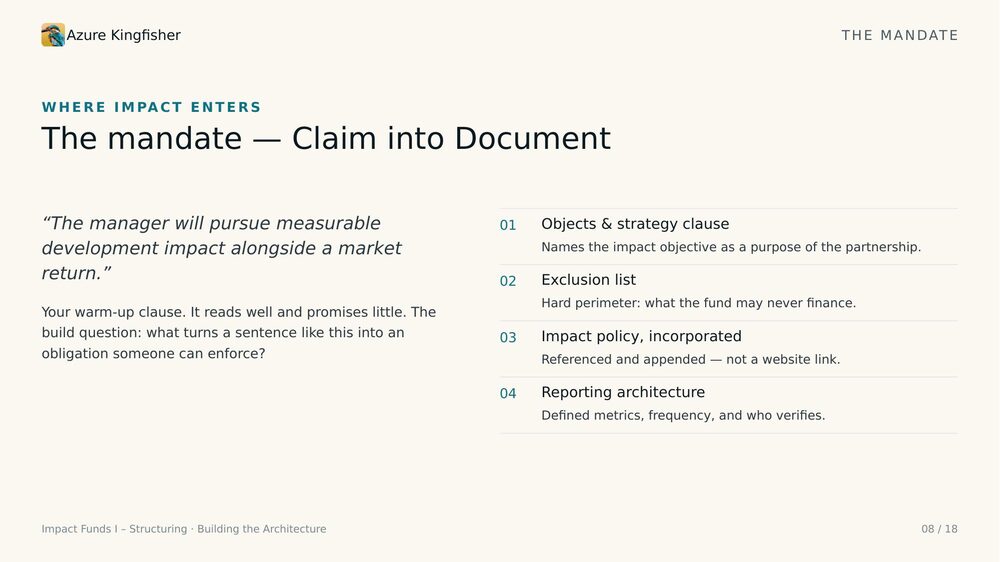
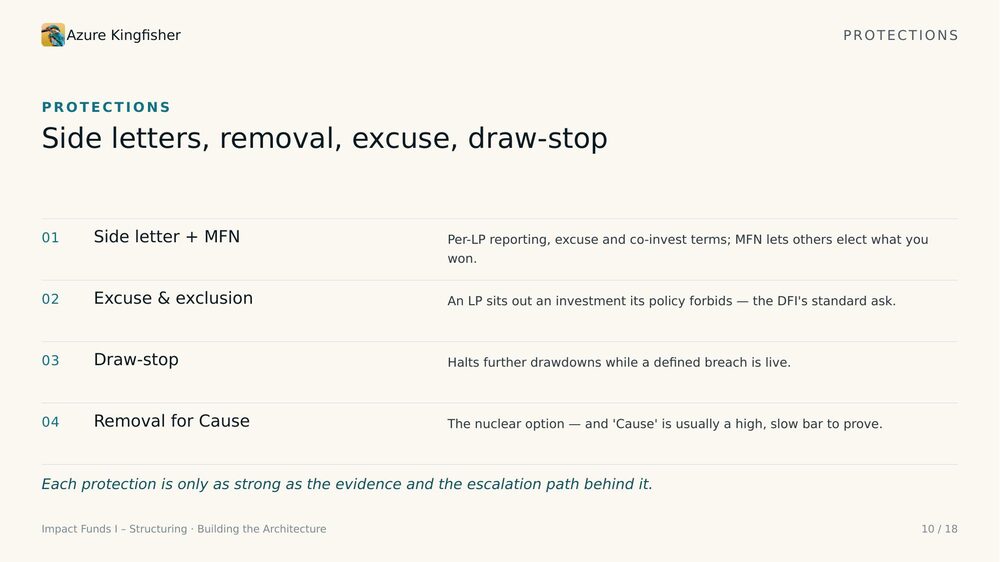
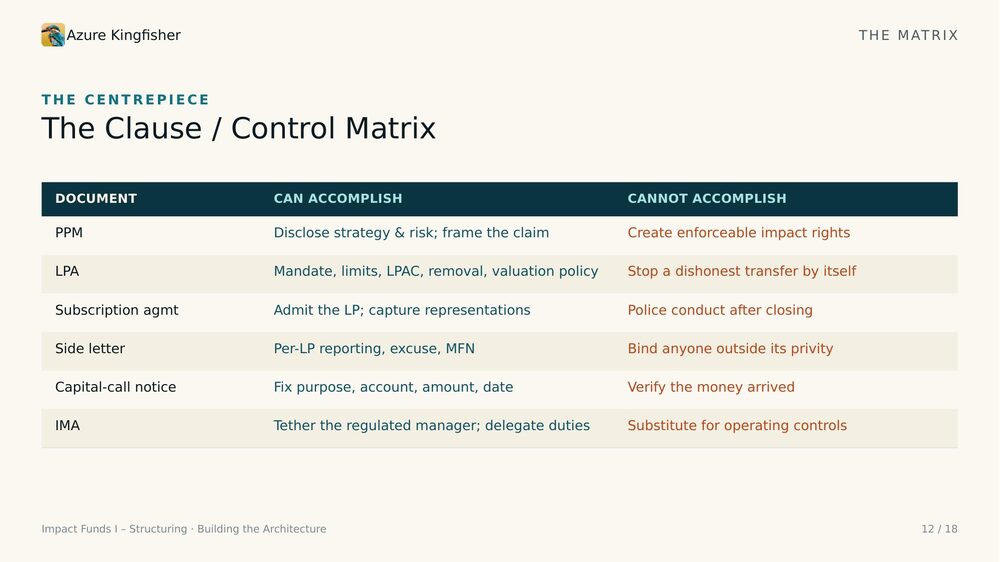
A short decision case — a junior investor negotiating subordinated notes into a debt fund, five open asks and five days to signing. Fictional, but built the way the real ones are. No sign-up.
The one for the room that buys its own training — General Counsel, partners, senior associates and legal ops.
A masterclass that cuts through the AI noise to what changes legal work and what does not. Delivered by arrangement to firms, in-house teams and professional bodies — and taught to masters-level students at Erasmus School of Law, Rotterdam.
A regular, no-fluff read on where sustainable finance, impact and legal AI are really heading — named instruments, real rulings, the hard question.
Delivered via Substack. No spam — unsubscribe anytime.